
Rwanda reports increase in mental health disorders
Cases of mental health disorders have increased in Rwanda since the beginning of this year, the Ministry of Health said.
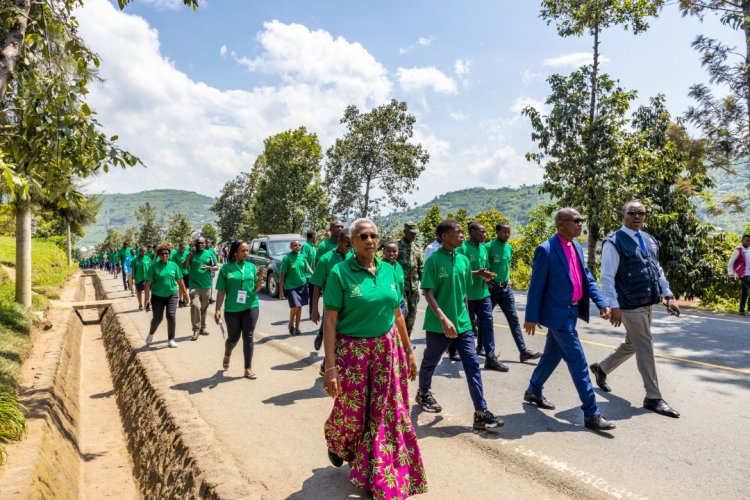

At least 7,817 patients consulted for depression at Ndera Neuro-Psychiatric Teaching Hospital from January to August, higher than 1,743 that were recorded last year, the ministry said in recent latest report.
The majority of the new cases were middle-aged people. The data showed that 54% of registered patients were male, 46% female while children below 19 years of age accounted for 20% of the total number of patients.
"The Ministry of Health is committed to implementing all relevant interventions to reduce incidence of all mental health disorders, including depression," the ministry said, as World Mental Health Day was observed.
Other top mental illnesses registered in Rwanda included schizophrenia with 35,581 cases so far reported this year, epilepsy with 13,337 cases and those reporting acute and transient psychotic disorders totaling 10,977.
According to health officials, schizophrenia makes one interpret reality abnormally while acute and transient psychotic disorders are triggered by psychological stress.
Overall, 96,357 patients with mental disorders were recorded in the first eight months of this year, representing a 29.6% increase compared to last year.
This year's global theme for World Mental Health Day was "Make mental health and well-being for all a global priority."
The World Health Organization (WHO) representative in Rwanda Brian Chirombo said in a message that the global health agency is supporting the Rwandan government in collaboration with other partners, to update the mental health strategic plan that sets new targets for expanding mental health care services to be achieved by 2024.
"The strategy will seek to increase access to quality mental health services by decentralizing and integrating it into primary health care, ensuring services are appropriately budgeted and resourced across sectors," he said.
In October, the WHO said more than 116 million people, mainly adolescents, are living with mental health illnesses in Africa, attributable to socioeconomic pressure among other strains.