
Rwandans mark 29th anniversary of 1994 genocide
Rwandans paused again Friday to mark the 29th anniversary of the 1994 genocide against Tutsi, at remembrance ceremonies countrywide, to honor about 1 million people killed in a span of 100 days.
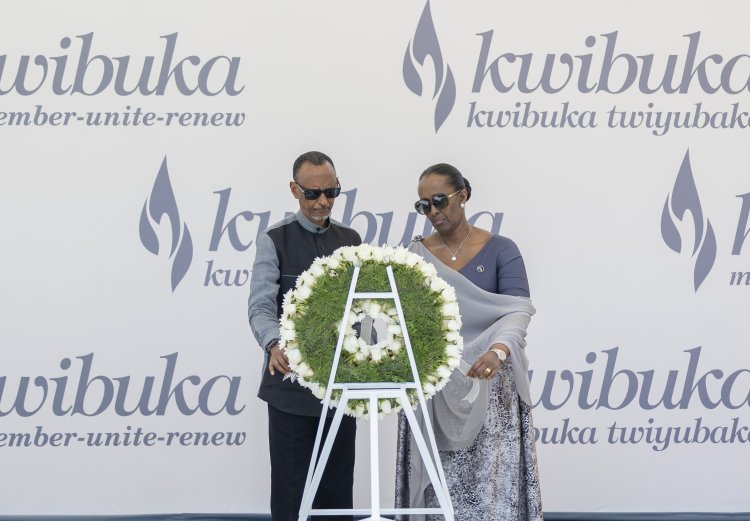

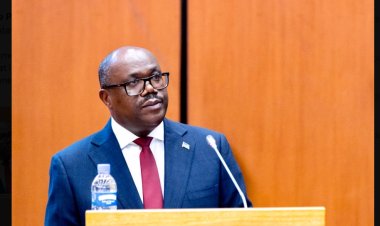
Speaking at the main ceremony at Kigali Genocide Memorial site, President Paul Kagame called on the international community to fight genocide “denial, revisionism and hate speech” which he said persist.
Kagame said genocide ideology and denial is a dangerous and deliberate attempt to block the truth.
“From the beginning we understood the need to cultivate and preserve the spirit of oneness to give us hope for a better future,” Kagame said.
“We cannot, however, ignore the fact that things like violence and hate speech persist not far away from here,” he said without mentioning any particular country.
“Much as it [violence and hate speech] does so you can also see the same indifference today as we saw in 1994.”
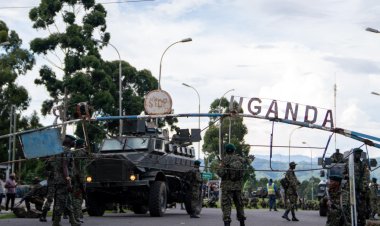
Kagame’s remarks were in apparent reference to the eastern Democratic Republic of Congo, where Rwanda has expressed concern that Congolese ethnic Tutsi, Kinyarwanda-speaking people, are being targeted in the ongoing fighting between the government forces and M23 rebels.
DR Congo accuses Rwanda of backing the M23 rebels, a charge Rwanda has consistently denied.
Kigali also accuses Kinshasa of allying with Rwandan rebels of the Democratic Forces for the Liberation of Rwanda (FDLR), whose elements are accused of perpetrating the 1994 genocide.
“We must fight revisionist ideologies because they are easily passed on from generation to generation. We must fight denial because that's how history repeats itself,” said Kagame.
Earlier in his speech, Jean Damascene Bizimana, Rwanda’s National Unity Minister, said while the UN adopted April 7 as the International Day of Reflection on the 1994 genocide against the Tutsi-- to draw lessons and prevent another genocide,“this goal has not been achieved given the genocide ideology that is still rampant in the region.”
“The FDLR terrorist group, which unites the perpetrators of the genocide and those who support its ideology, has not been eradicated,” he said.
Remembrance ceremonies were held countrywide to honor thousands of people killed in a span of 100 days.
About 1 million people, mostly of the Tutsi community and moderate Hutus, were killed in the genocide by Hutu extremists during the massacre.
President Kagame and first lady Jeannette Kagame attended the main event at Kigali Genocide Memorial, where he led other dignitaries to pay respects to over 250,000 victims laid to rest there.
Kagame then lit the “Flame of Remembrance” at the memorial to burn for 100 days as a symbol of hope.
The United Nations Secretary-General, Antonio Guterres in his message called on the international community to take action to prevent similar atrocities from happening again as it reflects on the tragedy.
“We remember with shame the failure of the international community. The generation since genocide, we must never forget what happened and ensure future generations always remember,” he said.
EU foreign policy chief Josep Borrell in a tweet commended Rwanda and its people for their determination to "stand up from the ashes to rebuild the country and reconcile."